reading
Updated - Sep 28, 2026
Currently Reading
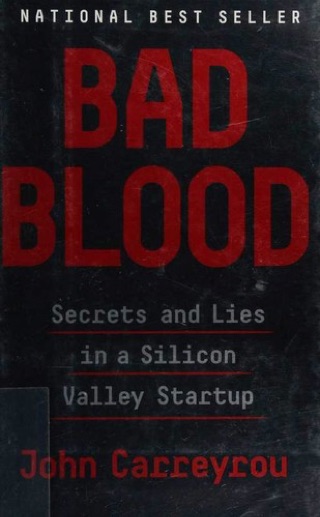
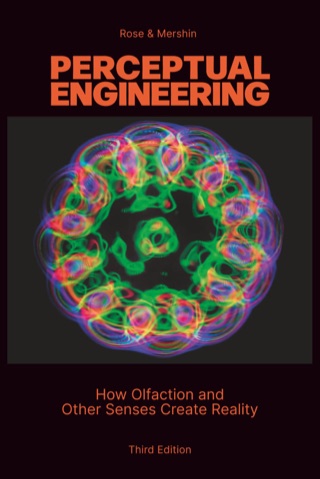
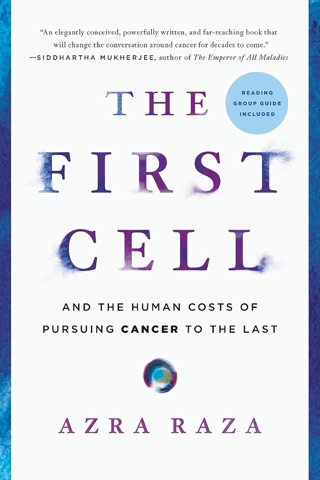
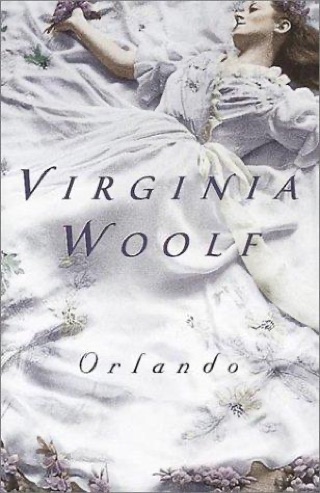
Recently Read
The Mythical Man-Month: Essays on Software Engineering, Fred Brooks, 1975
The Idea Factory: Bell Labs and the Great Age of American Innovation, Jon Gertner, 2012
On bookshelf
Founders at Work, Stories of Startups’ Early Days, Jessica Livingston, 2007
The Soul of a New Machine, Tracy Kidder, 1981
How Life Works: A User’s Guide to the New Biology, Philip Ball, 2023
Reading list
On Dognosis
- dognosis.tech
- The Dognosis Substack
- Dognosis: Unleashing Canine Superpowers Rahul Sanghi, Tigerfeathers
- Our phase II study Journal of Clinical Oncology
- Digitized canine olfaction and multimodal biosensing for breath-based multi-cancer detection: a hypothesis-driven perspective Journal of Breath Research
On the science and biology of cancer
In general
- The Emperor of All Maladies Siddhartha Mukherjee
Early detection
- Phases of biomarker development Early Detection Research Network
- The fundamental NEJM paper
- The Catch in Catching Cancer Early Siddhartha Mukherjee, The New Yorker
- Will a Full-Body MRI Scan Help You or Hurt You? Dhruv Khullar, The New Yorker
- A primer on multi-cancer early detection (MCED)
- The Vanguard study National Cancer Institute
- The GRAIL–NHS trial The New York Times
- The largest study of a multi-cancer test Eric Topol
- UK Collaborative Trial of Ovarian Cancer Screening (UKCTOCS) The Lancet
On dogs
Working and biomedical detection dogs
On olfaction
On AI for parsing neurobehavioural signatures
- Non-invasive canine electroencephalography (EEG): a systematic review
- Toward a Science of Computational Ethology Neuron
- Digitized canine olfaction and multimodal biosensing for breath-based multi-cancer detection Journal of Breath Research
- FERAL: a supervised video-understanding system for direct video-to-behavior mapping bioRxiv
On R&D orgs
- The Idea Factory Jon Gertner
- How technoscientific knowledge advances: a Bell-Labs-inspired architecture Jeffrey Tsao and Venkatesh Narayanamurti
- A Scrappy Complement to FROs: Building More BBNs The Good Science Project
On orgs and startups
- Scaling People Claire Hughes Johnson
- High Growth Handbook Elad Gil
- Talent Tyler Cowen and Daniel Gross
- What's going on here, with this human? Graham Duncan
- The Hard Thing About Hard Things Ben Horowitz
- Barrels and ammunition A Learning a Day
- Dan Luu
On business
- Monetizing Innovation Madhavan Ramanujam and Georg Tacke
Health and data businesses that complement diagnostics
- GRAIL's S-1 SEC filing
- Tempus's S-1 SEC filing
On healthcare in India
- Getting Even Tigerfeathers
- India health/acc reading list
Words read, by year
An estimate: the pages of every book I logged on Goodreads, at 275 words a page, in the year I finished it. It misses papers, essays, articles and everything read on a screen, and I stopped logging books in 2023, so the recent years are empty rather than quiet. Incomplete for now.
Everything I’ve read
291 books I logged on Goodreads from 2009 to 2023, 14 of them with reviews. When I didn't record the date I read a book, it sits in the year I shelved it.
2023 4 books
1 shelved this year without a read date.
-
 ★★★★★
★★★★★ -
 ★★★★★
★★★★★ -
 ★★★★★
★★★★★ -
 ★★★★★
★★★★★
2022 6 books
All shelved this year, read dates not recorded.
-
 ★★★★★
★★★★★ -
 ★★★★★
★★★★★Read my review
I can’t remember the last time a book made me feel this much. So much aching beauty, so much heart-rending gut-wrenching poetic profundity, so much beatific ferocious love and the immense suffering when it is taken away. Soaring descriptions of the natural world and vast existential questions of life beyond our pale blue dot and living past our ‘passing’ frame this intimate, terribly moving account of the love harboured between father Theo and son Robin and their continued relation with recently deceased wife-mother Alyssa.
Powers captures the reigning motifs of our current curious period in space-time and distills them in an easy-flowing narrative of silken prose and sharp observations. Our beautiful and imperiled planet, our fractured politic, the inanity of the inertial plodding of a broken society that doesn’t yet realize the path its headed on is one of destruction — all these feature as both the backdrop and the currents that move Bewilderment forward, yet there is no sense of preaching or doomsaying. Powers is never trying to ‘say’ something, this is no moral treatise on the horrors of late-stage capitalism or our collective capitulations to Moloch. Rather, the focus is always on Theo and Robbie and the all-consuming and ever-nourishing task of raising a child in a world where protecting childhood innocence and in-born idealism is neither possible nor, arguably, right.
A big part of Bewilderment’s brilliance lies in its sophisticated exploration of the way technology and the natural world juxtapose and complement in confounding and ineffable ways to give birth to the human condition of the 2nd Millennium. Robin, beset with rage and depression from living in a broken world, undergoes an experimental neurofeedback training that uses fMRI recordings of the emotional states of Alyssa that does wonders to his countenance. Alyssa was an ardent animal rights activist, who despite Sisyphean war-making at the Capitol, was able to find and emanate a fountain of solace that fills Robin with renewed vigour. However, a Trumpian president ends the funding to the program (after Robin’s story goes viral in an incisive storyline on the authenticity plundering albeit collective sharing enabled by social media) and like Algernon’s mouse, Robin slides back from the oceanic boundlessness he inhabited from his mother. Theo, an astrobiologist devising models of life on yet-to-be-seen exoplanets, watches in helpless frustration as his son fades away and the narrative is interspersed with delicate sketches of exoplanets and the murmurs of sentient life-forms wrestling with their versions of the Fermi paradox and why no one else has said hi.
Bewilderment will stay with me for a long time. The title is truly perfect — to return to being wild/a feeling of being perplexed.
-
 ★★★★★
★★★★★ -
 ★★★★★
★★★★★ -
 ★★★★★
★★★★★ -
 ★★★★★
★★★★★
2021 17 books
11 shelved this year without a read date.
-
 ★★★★★
★★★★★ -
 ★★★★★
★★★★★ -
 ★★★★★
★★★★★ -
 ★★★★★
★★★★★ -
 ★★★★★
★★★★★Read my review
I can think of no other writer who can capture the voice of an entire generation, in all its complexity and emotional nuance, as well as Lahiri does. As the title suggests and like her previous works – The Namesake and the Interpreter of Maladies — Unaccustomed Earth focuses on the first and second generation Indian immigrant in America and the inherent tensions between country, generation and language.
The book comes in two parts, the first being five spellbounding short stories, that continues to cement Lahiri's legacy of being one of the finest writers of the short form. The second part is a mini novella titled 'Hema and Kaushik'. I was initially a tad disappointed as I was hoping for more of Lahiri's delectable shorts, but her craft quickly reeled me in and by the end I was completely invested in the story, a part of me wishing it didn't end so soon. Lahiri's superpower of painting vivid and rich characters, seemingly without effort, is on full display here, especially with her portrayal of Kaushik.
Even if you're neither an immigrant in America nor draw lineage to India, I can highly recommend this book, if for nothing else other than to witness a word wizard at work.
-
 ★★★★★
★★★★★ -
 ★★★★★
★★★★★ -
 ★★★★★
★★★★★Read my review
Cat's Cradle reminded me why I love reading so much. Brb deleting the apps.
I would place CC alongside Hitchhikers Guide and Catch-22 as paragons of what happens when you blend three special ingredients - a profound exploration of the human condition in dealing with postmodern malaise, an otherworldly gift of eliciting chortles and cackles and tightly wound prose that runs like a demented clock.
Vonnegut is a master at cooking up ridiculous characters who end up in such absurd situations that you are simply forced to grin gleefully at the madness of it all. But he never lets the absurdity swallow the dignity and gravity of his creations and plots. This is no Rick and Morty with it's decadent regurgitation of postmodern tropes leaving little room for some human wistfulness. Yes, Vonnegut tears into the sacred with aplomb— family, God, love, purpose, none are left to remain whole. But there is a tender appreciation under this maniac defilement, an acknowledgement of beauty, a somber acceptance of the inevitability of death and above all, a wry grin that we're all in this together, in our karasses and granfallons, and hey that's something isn't it?
-
 ★★★★★
★★★★★ -
 ★★★★★
★★★★★Read my review
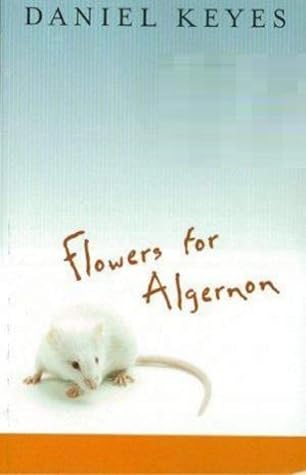
Flowers for Algernon is a hauntingly beautiful and tragic paean to the indomitability of the human spirit whose exploration of the starkly different sets of experience that lie at the ends of the continuum illuminates the thread that runs through our shared humanity. Through the protagonist's journey from the wallowing to the rarefied and back, we gain access to an incisive and unique perspective that lays bare the tenuous nature of all that we hold dear — friendship, family, love, status — and forces us to confront the harsh cruelty that is meted out to those less fortunate, all while reminding us of our own fragility and how easily and inevitably the tables will entropically turn.
FAA is about a man and a mouse, Charlie and Algernon, whose fates are inextricably intertwined through their involvement in a scientific experiment designed to skyrocket their intelligence. After scientists at the fictitious Beekman University in New York achieve success with a novel technique that improves Algernon's intelligence substantially, they decide to extend the experiment to humans by trying it out on Charlie, a 32 year old cleaner at a bakery with an IQ of 68. It works and the result leads to a tremendous transformation in both Charlie and his relation to the world. This new-found intelligence compels him to grapple with his past — a traumatic childhood and dysfunctional relationships with his family — as well as reevaluate his present, in a longing for self understanding that was long denied. This quest turns intensely desperate as Algernon begins to show signs of deterioration…
Flowers for Algernon is science fiction at its finest, made all the more brilliant by Keyes' narrative style that is superbly inventive yet never gimmicky and the exquisite bursts of poetry that shine like brushed gold -
"And as I lay there with her I could see how important physical love was, how necessary it was for us to be in each other's arms, giving and taking. The universe was exploding, each particle away from the next, hurtling us into dark and lonely space, eternally tearing us away from each other—child out of the womb, friend away from friend, moving from each other, each through his own pathway toward the goal-box of solitary death. But this was the counterweight, the act of binding and holding. As when men to keep from being swept overboard in the storm clutch at each other's hands to resist being torn apart, so our bodies fused a link in the human chain that kept us from being swept into nothing."
Couldn't have asked for a better book to get me reading again 🙂
//
As an aside of potential interest, this book made me revisit the notion of IQ and how empirically sound it is. Once the gold standard of psychometrics and the poster child of western psychology, the validity of an Intelligent Quotient is a highly contentious topic with accomplished thinkers taking both sides of the aisle.
On the IQ is hogwash team for instance, there is Prof Steven Piantadosi, a computational psychology professor at UC Berkeley who wrote a damning twitter thread pointing out the innate flaws of IQ tests and their dependence on WERID cultural artefacts (https://twitter.com/spiantado/status/1275783954411347968) and Nassim Taleb, the Lebanese-American author, scholar and famed acerbic tweeter, calling IQ 'pseudoscientific swindle' and a result of psychologists being statistically incompetent (https://medium.com/incerto/iq-is-largely-a-pseudoscientific-swindle-f131c101ba39)
On the other hand, you'll find plenty of scientists and thinkers who will reaffirm that IQ is one of the most robust, replicated findings in the entire field of psychology. Here's Richard Haier, Professor Emeritus at the University of California Irvine (https://quillette.com/2017/12/24/neuroscience-intelligence-interview-richard-haier/) and Scott Alexander of Slate Star Codex (https://slatestarcodex.com/2017/09/27/against-individual-iq-worries/). Luminaries like Sam Harris and Steven Pinker have also frequently made statements that fall in this camp.
As with everything nowadays, IQ has been subsumed by the Culture Wars, and it's hard to know who's following the data versus who's conforming to their tribe. A large part of this politicisation can be traced back to an infamously controversial book - 'The Bell Curve' by Charles Murray - and its nuclear fallout. This post on The Dish by Andrew Sullivan seems to capture the breadth of modern discourse well (https://andrewsullivan.substack.com/p/my-record-on-race-and-iq) (I have not read all the posts)
I'll end by noting that unlike a lot of academic debate, this one has monumental consequences as much of our society is premised on the existence of a form of general cognitive function that can be accurately and consistently measured. If it turns out to be all made up, we're going to have some soul searching to do.
-
 ★★★★★
★★★★★Read my review
Dreamy, strange, wonderful. Murakami's prose flows like a cold PB chocolate milkshake after a long run, decadent and velvety, leaving you happily content for the moment with the knowledge you'll be pining for more.
Kafka on the Shore is magic realism at its finest. The magic is never garnish or kitsch, but instead, always delightful and prodding.
I instinctively compared it to Midnight's Children and 100 years of solitude, being the only two other considerable works I've read in the genre. I adored the former (even writing my IB extended essay on it) and groaned through the latter. The verbosity in both books never grew on me and this is where Murakami truly shines. His prose, though not sparse in the Hemingway sense, is taut and supple and the richness of Kafka on the Shore's characters meant that I was totally immersed in the book from the get-go.
I'll be pondering over this one for a while.
-
 ★★★★★
★★★★★ -
 ★★★★★
★★★★★ -
 ★★★★★
★★★★★ -
 ★★★★★
★★★★★ -
★★★★★
-
 ★★★★★
★★★★★
2020 18 books
9 shelved this year without a read date.
-
 ★★★★★
★★★★★ -
 ★★★★★
★★★★★ -
 ★★★★★
★★★★★ -
 ★★★★★
★★★★★ -
 Interpreter of Maladies: A Pulitzer Prize-Winning Literary Classic Set Between India and New England★★★★★
 -
 ★★★★★
★★★★★ -
 ★★★★★
★★★★★ -
 ★★★★★
★★★★★ -
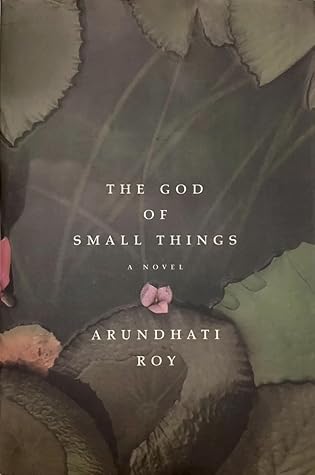 ★★★★★
★★★★★ -
 ★★★★★
★★★★★ -
 ★★★★★
★★★★★ -
 ★★★★★
★★★★★ -
 ★★★★★
★★★★★ -
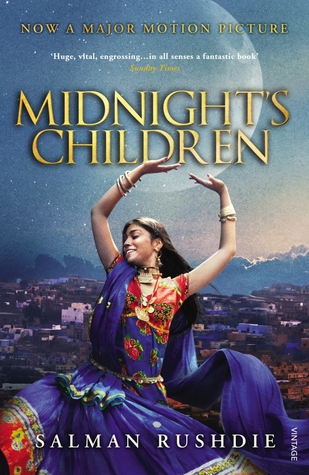 ★★★★★
★★★★★ -
 ★★★★★
★★★★★ -
 ★★★★★
★★★★★ -
 ★★★★★
★★★★★ -
 ★★★★★
★★★★★
2019 2 books
All shelved this year, read dates not recorded.
-
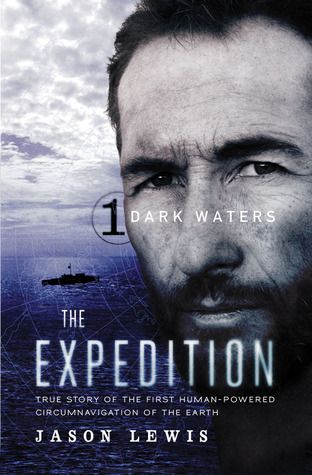 ★★★★★
★★★★★ -
 ★★★★★
★★★★★
2018 14 books
12 shelved this year without a read date.
-
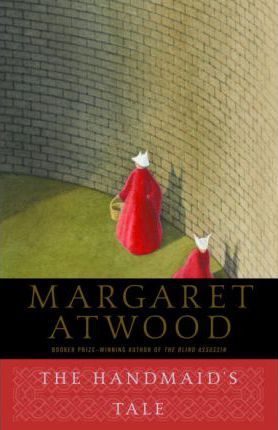 ★★★★★
★★★★★ -
 ★★★★★
★★★★★ -
 ★★★★★
★★★★★ -
 ★★★★★
★★★★★ -
 ★★★★★
★★★★★ -
 ★★★★★
★★★★★ -
 ★★★★★
★★★★★ -
 ★★★★★
★★★★★ -
 ★★★★★
★★★★★ -
 ★★★★★
★★★★★ -
 ★★★★★
★★★★★ -
 ★★★★★
★★★★★ -
 ★★★★★
★★★★★ -
 ★★★★★
★★★★★
2016 3 books
2 shelved this year without a read date.
-
 ★★★★★
★★★★★ -
 ★★★★★
★★★★★ -
 ★★★★★
★★★★★
2015 11 books
8 shelved this year without a read date.
-
 ★★★★★
★★★★★ -
 ★★★★★
★★★★★Read my review
Interesting premise but mediocre execution.Abundance of cliches and predictability hamper the flow.However book was definitely informative and interesting enough to merit four stars.
-
 ★★★★★
★★★★★ -
 ★★★★★
★★★★★ -
 ★★★★★
★★★★★ -
 ★★★★★
★★★★★ -
 ★★★★★
★★★★★ -
 ★★★★★
★★★★★ -
 ★★★★★
★★★★★ -
 ★★★★★
★★★★★ -
 ★★★★★
★★★★★
2014 24 books
20 shelved this year without a read date.
-
 ★★★★★
★★★★★ -
 ★★★★★
★★★★★ -
 ★★★★★
★★★★★ -
 ★★★★★
★★★★★ -
 ★★★★★
★★★★★ -
 ★★★★★
★★★★★ -
 ★★★★★
★★★★★ -
 ★★★★★
★★★★★ -
 ★★★★★
★★★★★ -
 ★★★★★
★★★★★ -
 ★★★★★
★★★★★ -
 ★★★★★
★★★★★ -
 ★★★★★
★★★★★ -
 ★★★★★
★★★★★ -
 ★★★★★
★★★★★ -
 ★★★★★
★★★★★ -
 ★★★★★
★★★★★ -
 ★★★★★
★★★★★ -
 ★★★★★
★★★★★ -
 ★★★★★
★★★★★ -
 ★★★★★
★★★★★ -
 ★★★★★
★★★★★ -
 ★★★★★
★★★★★ -
 ★★★★★
★★★★★
2013 52 books
28 shelved this year without a read date.
-
 ★★★★★
★★★★★ -
 ★★★★★
★★★★★ -
 ★★★★★
★★★★★Read my review
Much better than the first book…this would have got a five except for one big plot hole..
SPOILERS!!
So when Liam and Becks go to to 2015 and before all that drama about explosions etc etc before they even step of that cupboard why not send a beam of tachron (spelling?) particles saying to abort the mission????
otherwise this book was quite good though a bit gory here and there…
-
 ★★★★★
★★★★★ -
 ★★★★★
★★★★★ -
 ★★★★★
★★★★★ -
 ★★★★★
★★★★★ -
 ★★★★★
★★★★★ -
 ★★★★★
★★★★★ -
 ★★★★★
★★★★★ -
 ★★★★★
★★★★★Read my review
Not her best ,quite slow but good ending..
-
 ★★★★★
★★★★★Read my review
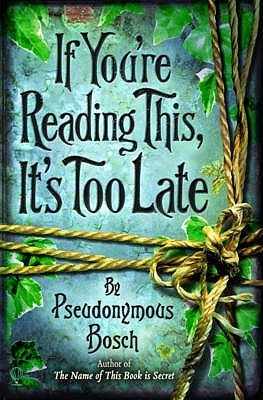
I picked up this book because in the secret series books it was said that LS had the same humour as Bouch..They were wrong and right..
there's definetely a few funny scenes and the sort of humour which is very dry but the book's plot was childish and sometimes the author's manner was partronizing..(he didn,t have to be a walking dictionary…Try these series for a much better read
This Book Is Not Good for You by Pseudonymous Bosch
Not going to pick up the other books..
Yours sincerely
A.S.K
-
 ★★★★★
★★★★★Read my review
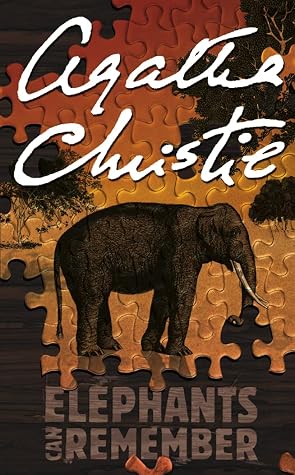
Not one of Christie's best..Since this was written at the end of her career i suppose she got tired of writing…The thing that was annoying was that unlike most of her books you couldn't know who was the murderer without guessing as they weren't any clues..Poirot hardly shows up but when he does it's great..Reasonably quick story and decent ending…3 stars..
-
 ★★★★★
★★★★★ -
 ★★★★★
★★★★★ -
 ★★★★★
★★★★★ -
 ★★★★★
★★★★★ -
 ★★★★★
★★★★★ -
 ★★★★★
★★★★★Read my review
Want more.That's what i thought when i read this 40 page story by You know how…
On a serious note though this crossover was nicely done..It satisfied me(and i think everyone else?!) yet kept future stories wide open…Yet there were a few questions unanswered….
Like - does Percy survive his fall into Tartarus and his battle with Gaea or is this before that??Are the Gods of both sides enemy's or ignore each other or what?
I read this story in a store, standing without buying the book…So i had to read fast so most of the awesomeoness was lost…And i'm writing these book in a awkward place too so these review is going to be rather boring..:(
All the girls luv Leo…XD
-
 ★★★★★
★★★★★Read my review
Dont' pick up this book.
I'm warning you.
If you have already finished this book i'm very sorry for your precious loss of time.
The worst book i have read.
Nuff said.
-
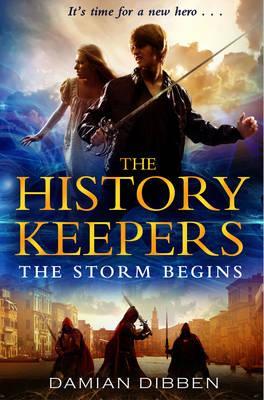 not rated
 -
 ★★★★★
★★★★★ -
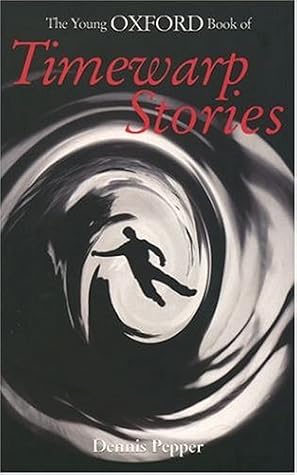 not rated
Read my review
some of the stories were mind blowing especially 'lets go to Golgotha' and 'vengeance fleet'
-
 ★★★★★
★★★★★ -
 ★★★★★
★★★★★ -
 ★★★★★
★★★★★ -
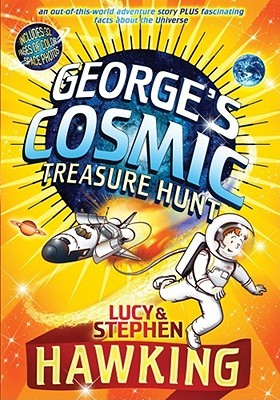 ★★★★★
★★★★★ -
 ★★★★★
★★★★★ -
 ★★★★★
★★★★★ -
 ★★★★★
★★★★★ -
 ★★★★★
★★★★★ -
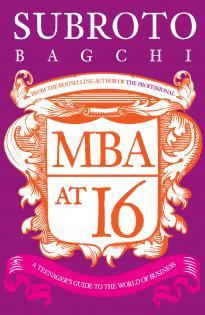 ★★★★★
★★★★★ -
 ★★★★★
★★★★★ -
 ★★★★★
★★★★★ -
 ★★★★★
★★★★★ -
 ★★★★★
★★★★★ -
 ★★★★★
★★★★★ -
 ★★★★★
★★★★★ -
 ★★★★★
★★★★★ -
 ★★★★★
★★★★★ -
 ★★★★★
★★★★★ -
 ★★★★★
★★★★★ -
 ★★★★★
★★★★★ -
 ★★★★★
★★★★★ -
 ★★★★★
★★★★★ -
 ★★★★★
★★★★★ -
 ★★★★★
★★★★★ -
 ★★★★★
★★★★★ -
 ★★★★★
★★★★★ -
 ★★★★★
★★★★★ -
 ★★★★★
★★★★★ -
 ★★★★★
★★★★★
2012 63 books
1 shelved this year without a read date.
-
 ★★★★★
★★★★★ -
 ★★★★★
★★★★★ -
 ★★★★★
★★★★★ -
 ★★★★★
★★★★★ -
 ★★★★★
★★★★★ -
 ★★★★★
★★★★★ -
 ★★★★★
★★★★★ -
 ★★★★★
★★★★★ -
 ★★★★★
★★★★★ -
 ★★★★★
★★★★★ -
 ★★★★★
★★★★★ -
 ★★★★★
★★★★★ -
 ★★★★★
★★★★★ -
 ★★★★★
★★★★★ -
 ★★★★★
★★★★★ -
 ★★★★★
★★★★★ -
 ★★★★★
★★★★★ -
 ★★★★★
★★★★★ -
 ★★★★★
★★★★★Read my review
well this is my first review.and i am starting on the only book in my shelf that i did not complete.this was my first warriors book and i want to know why people like it?i have read books like percy jackson,artemis fowl,harry potter and such books and i decided to read something which is not as famous.so i picket it up.im writing this book 6 months afterwards so i can'be exact but the plot just didn't run at all.the last 50pages or so i did not even read as i got fed up.the characters don't connect at all.this is the only book i have given 1 star because any good book should make u complete it.i rest my case with this.
-
 ★★★★★
★★★★★ -
 ★★★★★
★★★★★ -
 ★★★★★
★★★★★ -
 ★★★★★
★★★★★ -
 ★★★★★
★★★★★ -
 ★★★★★
★★★★★ -
 ★★★★★
★★★★★ -
 ★★★★★
★★★★★ -
 ★★★★★
★★★★★ -
 ★★★★★
★★★★★ -
 ★★★★★
★★★★★ -
 ★★★★★
★★★★★ -
 ★★★★★
★★★★★ -
 ★★★★★
★★★★★ -
 ★★★★★
★★★★★ -
 ★★★★★
★★★★★ -
 ★★★★★
★★★★★ -
 ★★★★★
★★★★★ -
 ★★★★★
★★★★★ -
 ★★★★★
★★★★★ -
 ★★★★★
★★★★★ -
 ★★★★★
★★★★★ -
 ★★★★★
★★★★★ -
 ★★★★★
★★★★★ -
 ★★★★★
★★★★★ -
 ★★★★★
★★★★★ -
 ★★★★★
★★★★★ -
 ★★★★★
★★★★★ -
 ★★★★★
★★★★★ -
 ★★★★★
★★★★★ -
 ★★★★★
★★★★★ -
 ★★★★★
★★★★★ -
 ★★★★★
★★★★★ -
 ★★★★★
★★★★★ -
 ★★★★★
★★★★★ -
 ★★★★★
★★★★★ -
 ★★★★★
★★★★★ -
 ★★★★★
★★★★★ -
 ★★★★★
★★★★★ -
 ★★★★★
★★★★★ -
 ★★★★★
★★★★★ -
 ★★★★★
★★★★★ -
 ★★★★★
★★★★★ -
 ★★★★★
★★★★★
2011 32 books
-
 ★★★★★
★★★★★ -
 ★★★★★
★★★★★ -
 ★★★★★
★★★★★ -
 ★★★★★
★★★★★ -
 ★★★★★
★★★★★ -
 ★★★★★
★★★★★ -
 ★★★★★
★★★★★ -
 ★★★★★
★★★★★ -
 ★★★★★
★★★★★ -
 ★★★★★
★★★★★ -
 ★★★★★
★★★★★ -
 ★★★★★
★★★★★ -
 ★★★★★
★★★★★ -
 ★★★★★
★★★★★ -
 ★★★★★
★★★★★ -
 ★★★★★
★★★★★ -
 ★★★★★
★★★★★ -
 ★★★★★
★★★★★ -
 ★★★★★
★★★★★ -
 ★★★★★
★★★★★ -
 ★★★★★
★★★★★ -
 ★★★★★
★★★★★ -
 ★★★★★
★★★★★ -
 ★★★★★
★★★★★ -
 ★★★★★
★★★★★ -
 ★★★★★
★★★★★ -
 ★★★★★
★★★★★ -
 ★★★★★
★★★★★ -
 ★★★★★
★★★★★ -
 ★★★★★
★★★★★ -
 ★★★★★
★★★★★ -
 ★★★★★
★★★★★
2010 29 books
-
 ★★★★★
★★★★★ -
 ★★★★★
★★★★★ -
 ★★★★★
★★★★★ -
 ★★★★★
★★★★★ -
 ★★★★★
★★★★★ -
 ★★★★★
★★★★★ -
 ★★★★★
★★★★★ -
 ★★★★★
★★★★★ -
 ★★★★★
★★★★★ -
 ★★★★★
★★★★★ -
 ★★★★★
★★★★★ -
 ★★★★★
★★★★★ -
 ★★★★★
★★★★★ -
 ★★★★★
★★★★★ -
 ★★★★★
★★★★★ -
 ★★★★★
★★★★★ -
 ★★★★★
★★★★★ -
 ★★★★★
★★★★★ -
 ★★★★★
★★★★★ -
 ★★★★★
★★★★★ -
 ★★★★★
★★★★★ -
 ★★★★★
★★★★★ -
 ★★★★★
★★★★★ -
 ★★★★★
★★★★★ -
 ★★★★★
★★★★★ -
 not rated
 -
 ★★★★★
★★★★★ -
 ★★★★★
★★★★★ -
 ★★★★★
★★★★★
2009 16 books
-
 ★★★★★
★★★★★ -
 ★★★★★
★★★★★ -
 ★★★★★
★★★★★ -
 ★★★★★
★★★★★ -
 ★★★★★
★★★★★ -
 ★★★★★
★★★★★ -
 ★★★★★
★★★★★ -
 ★★★★★
★★★★★ -
 ★★★★★
★★★★★ -
 ★★★★★
★★★★★ -
 ★★★★★
★★★★★ -
 ★★★★★
★★★★★ -
 ★★★★★
★★★★★ -
 ★★★★★
★★★★★ -
 ★★★★★
★★★★★ -
 ★★★★★
★★★★★
No books match. Clear the search or pick another filter.
My Goodreads